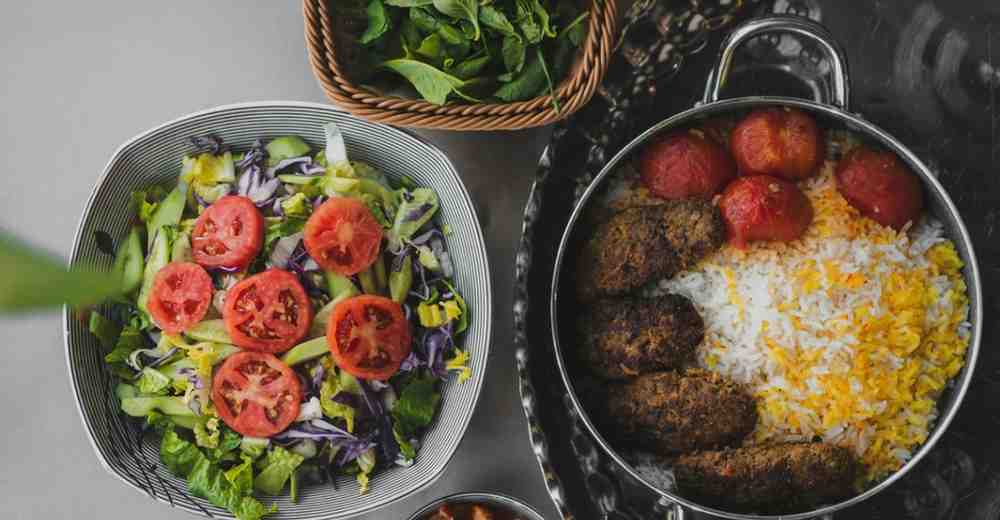
Many people wonder what Iranians eat to meet their daily protein needs. Some may already be familiar with their traditional diet. Others may question whether it is mostly vegetarian or non-vegetarian.
Iranian cuisine is a hidden gem for fitness enthusiasts. They offer delicious, high-protein meals that are perfect for building muscle and burning fat. Here, we have listed the top 10 protein-rich Iranian foods that you should have on your grocery list.
Quick Protein Comparison Table
| Food | Serving Size | Protein |
|---|---|---|
| Kebab (Koobideh/Joojeh) | 100g | 20–27g |
| Chicken (Morgh) | 100g | 27–31g |
| Caspian Fish | 100g | 20–25g |
| Eggs | 1 large | 6–7g |
| Yogurt (Mast) | 1 cup | 8–12g |
| Lentils (Adas) | 1 cup cooked | 18g |
| Chickpeas (Nokhod) | 1 cup cooked | 14–15g |
| Beans (Lubia) | 1 cup cooked | 14–16g |
| Pistachios / Almonds | 30g | 6g |
| Fava Beans (Baghali) | 1 cup cooked | 13g |
Here is how to spice up your diet with these traditional staples:
Kebab (The Classic Grill)
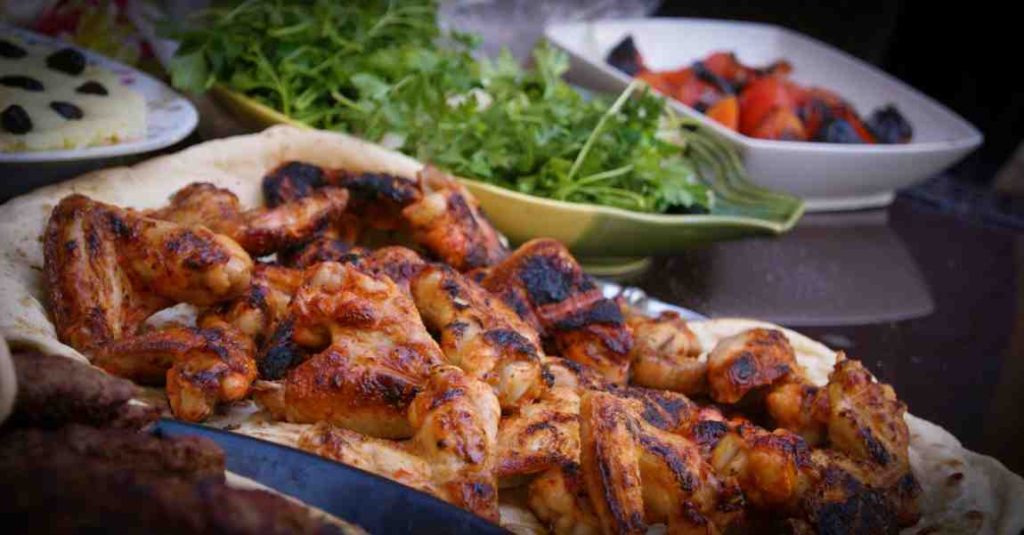
You can’t talk about Persian food without mentioning kebabs. Whether it’s the seasoned ground meat of Koobideh or grilled chicken Joojeh, you are getting a solid dose of protein. A 100-gram serving gives you 20–27 grams of high-quality fuel for muscle growth.
Chicken (Morgh)
A staple in Iranian stews and rice dishes, chicken breast is a lean machine. With 27–31 grams of protein per 100 grams, it is a low-fat option that keeps meals tasty and filling.
Caspian Fish
If you love seafood, fish from the Caspian Sea is a winner. It provides 20–25 grams of protein per serving and is loaded with omega-3 fatty acids. This makes it great for your heart and helps speed up muscle recovery after a heavy gym session.
Eggs (The Simple Powerhouse)
Don’t overlook the basics. Eggs are a complete protein source found in many Persian breakfasts. With 6–7 grams of protein per egg, they are cheap, effective, and easy to prepare.
Yogurt (Mast)
Persian yogurt is often thick, creamy, and similar to Greek yogurt. One cup can pack 8–12 grams of protein. It is great for digestion and pairs perfectly with almost any meal.
Lentils (Adas)
For the vegetarians or anyone looking to save money, lentils are your friend. Used in the hearty dish Adasi, one cup of cooked lentils delivers 18 grams of plant-based protein and a ton of fiber to keep you full.
Chickpeas (Nokhod)
Tossed into stews and fresh salads, chickpeas are a versatile legume. One cup offers 14–15 grams of protein, making them a fantastic vegetarian staple.
Beans (Lubia)
Red and white beans are common in Persian cooking. They are not just for flavor; they pack 14–16 grams of protein per cup, along with iron to keep your energy levels up.
Nuts (Pistachios & Almonds)
Iran is famous for its pistachios. While they contain healthy fats, they also contribute to your protein intake. A 30-gram handful of pistachios or almonds provides about 6 grams of protein—perfect for a post-workout snack.
Fava Beans (Baghali)
Often served alongside rice dishes (like the famous Baghali Polo), fava beans are a filling, plant-based option. Just one cup cooked gives you around 13 grams of protein.
Iranian culture and non-veg protein
Iranian culture includes a lot of non-veg protein, but it is not mostly non-veg. It’s balanced.
Animal Protein in Iranian Cuisine
In Iran, meat is very popular, especially: Beef and lamb (used in kebabs like Koobideh) Chicken (very common in home cooking) Fish (especially in northern regions near the Caspian Sea) Eggs,Yogurt and other dairy Kebabs are culturally iconic and often served at gatherings, restaurants, and celebrations.
But Plant Proteins Are Also loves Iranians
Traditional Persian food also heavily uses: Lentils (Adasi), ChickpeasBeans (Lubia), Fava beans (Baghali) Nuts like pistachios and almonds Many everyday dishes are plant-based or mixed (meat + legumes).
Conclusion
Iranian protein foods are healthy and very tasty, they mostly prefer animal protein. They prepare dishes like kebabs with meat and chicken, however they also like plant protein. Since nuts are widely available in Arabic countries, they also use this to get protein.