Training six days a week is a great way to build strength and muscle — if done right. But this type of workout plan isn’t for everyone, and doing too much too soon can lead to burnout or injury.
This guide explains who the 6-day gym workout schedule is best for, how a beginner and advanced lifter should approach it differently, and how to organize your week safely and effectively.
Who Should Train 6 Days a Week?
A 6-day workout schedule requires time, consistency, and proper recovery. It can work well for:
- Beginners who are motivated and willing to start with light weights and focus on learning proper form
- Intermediate lifters with at least 6 months of consistent training experience
- Advanced lifters who already understand their recovery limits and need higher training volume
If you are completely new to exercise, starting with 3 or 4 days per week is usually a better choice. More days does not always mean better results. Listening to your body is essential.
Beginner vs. Intermediate vs. Advanced: How Much Should You Train?
The main difference between training levels is volume, which means the total amount of work you do.
- Beginner:
Focus on learning exercises correctly. Use light weights and perform 2–3 sets per exercise. The goal is good technique, not exhaustion. - Intermediate:
You can handle more work. Aim for 3–4 sets per exercise using moderately challenging weights. - Advanced:
Higher volume is possible, usually 4–5 sets per exercise, but recovery becomes even more important. Progress depends on balancing effort and rest.

A Sample 6-Day Weekly Split
A “split” is how you divide muscle groups across the week. One of the most popular and balanced options for six days is the Push / Pull / Legs (PPL) split.
Weekly Structure:
- Day 1: Push (Chest, Shoulders, Triceps)
- Day 2: Pull (Back, Biceps)
- Day 3: Legs (Quads, Hamstrings, Glutes)
- Day 4: Push
- Day 5: Pull
- Day 6: Legs
- Day 7: Rest (very important)
This setup allows each muscle group to be trained twice per week with enough recovery in between.
Your 6-Day Workout Template
Below is a simple example. Choose weights based on your experience level and focus on proper form.
Day 1 – Push
Chest, Shoulders, Triceps
Bench Press, Overhead Press, Triceps Pushdowns
Day 2 – Pull
Back, Biceps
Lat Pulldowns, Rows, Biceps Curls
Day 3 – Legs
Lower Body
Squats, Leg Press, Leg Curls
Day 4 – Push
Chest, Shoulders, Triceps
Incline Press, Lateral Raises, Close-Grip Press
Day 5 – Pull
Back, Biceps
Pull-Ups, Face Pulls, Hammer Curls
Day 6 – Legs
Lower Body
Deadlifts, Lunges, Calf Raises
Perform 3–4 exercises per workout, adjusting sets and weight based on your level.
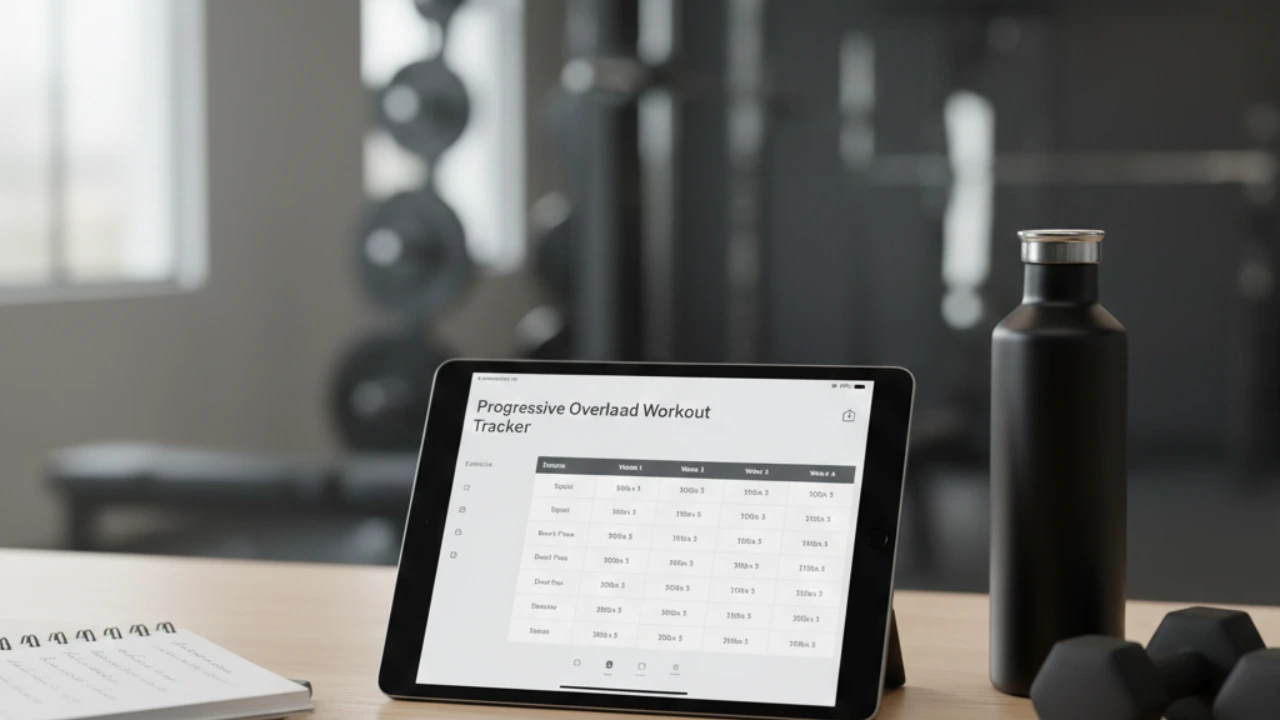
The Most Important Rule: Progressive Overload
To build muscle and strength, your body needs a reason to adapt. This is called progressive overload.
Each week, aim to improve in one small way:
- Lift slightly more weight
- Perform 1–2 more reps
- Add one extra set
You don’t need to increase everything at once. Even small improvements add up over time.
Recovery and Deload Advice
Training six days a week places higher stress on your body, so recovery is not optional.
- Sleep: Aim for 7–9 hours per night
- Nutrition: Eat enough calories and protein to support training
- Deload weeks: Every 6–8 weeks, reduce weight or volume by about 30–50% for one week
Deloading helps prevent overtraining and allows long-term progress.
Want a Custom 6-Day Plan? Try Our Free Workout Plan Generator
Everyone recovers differently. If you want a plan built around your experience level and preferences, use our free tool below.
Workout Plan Generator (V4)
Answer a few simple questions and receive a personalized workout plan instantly.
Final Thoughts
A 6-day gym workout schedule can only be effective if you go about it with the right approach. Start at a level that suits your experience, focus on good form, gradually increase your exercise, and prioritize recovery, not neglect it.
It’s not something that comes quickly, consistency is more important than intensity. Develop smart habits, be patient, and you’ll see results slowly.
Disclaimer: This article is for educational purposes only and does not replace professional medical or fitness advice. Always consult a qualified professional before starting a new exercise program.