Although it is a great way to get better health when starting GLP-1 medications. These medication help control appetite by slowing down digestion and making you feel fuller for longer. This way, most people eat fewer calories and lose weight.
There is a common problem that everyone faces, especially if their protein intake is too low: muscle loss. When you eat less overall, your body may lose muscle along with fat. That is why protein is so important when using GLP-1 medications.
Eating less doesn’t mean eating less protein. Protein is more important than ever. This article explains why protein is important and how a GLP-1 protein intake calculator can help you find the right amount for your body.
What Is GLP-1 and How Does It Affect Protein Needs?
GLP-1 medications work by copying a natural hormone in the body that controls appetite. They slow down the rate at which food is digested in the stomach and send signals to the brain that the stomach is full. This helps reduce overeating and helps with weight loss.
However, when calorie intake is too low, your body may start to use muscle tissue for energy — especially if protein intake is low. This can lead to:
- strength loss
- Slower metabolism
- Tierdness
- A “skinny-fat” appearance instead of a toned body
For this reason, protein requirements are usually increased, not decreased, when using GLP-1 drugs. GLP-1 drugs promote healthy weight loss while protein helps preserve muscle.
Why Protein Is Important While Using GLP-1
Protein is an important component in keeping your body strong and healthy when looking to lose weight.
- it maintain muscle mass by providing essential amino acids
- supporting work for fat loss instead of muscle loss
- Keeps you full longer, even with smaller foods
- Helps maintain energy and strength
- Supports metabolism, since muscle burns more calories at rest
GLP-1 Protein Intake Calculator
Finding the right amount of protein can be confusing task. That’s why a good calculator is helpful.
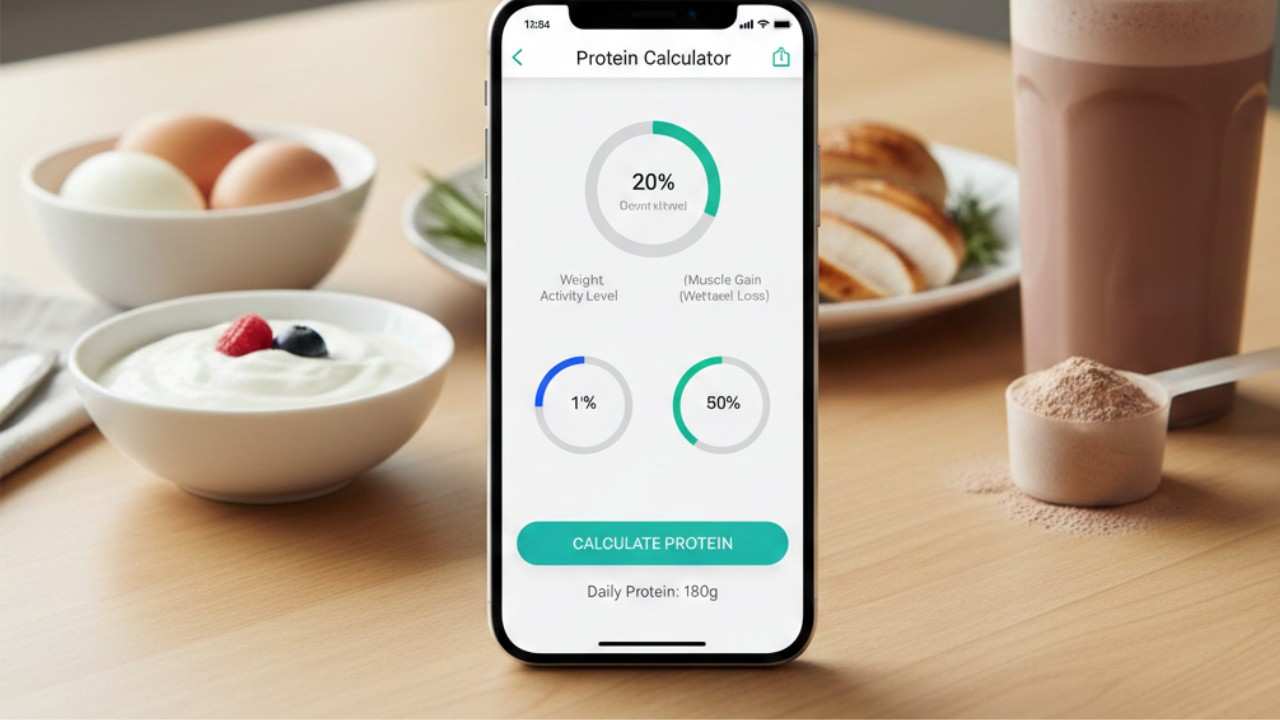
Here You can Use the GLP-1 Protein Intake Calculator below to estimate how much protein you need each day based on your body and activity level.
GLP-1 Protein Intake Calculator
Estimate your daily protein needs while using GLP-1 medications.
This calculator is for educational purposes only. Always consult your doctor.
This tool is designed for planning purposes and gives you a simple starting point.

How the GLP-1 Protein Calculator Works
The calculator is easy to use:
- Enter your body weight
- Choose your activity level (low, moderate, or active)
- Select your goal (fat loss or muscle maintenance)
After that, the calculator shows:
- Your estimated daily protein target
- A simple idea of how much protein to eat per meal
Recommended Protein Intake on GLP-1
Below are general protein numbers commonly used for planning purposes:
| Goal | Protein per kg of body weight |
| Fat loss | 1.6 – 1.8 g/kg |
| Muscle maintenance | 1.8 – 2.0 g/kg |
| Regular gym training | 2.0 – 2.2 g/kg |
These numbers are guidelines, not medical advice. Individual needs may vary.
Best Protein Sources While on GLP-1
Since appetite may be lower, choosing easy-to-digest and high-protein foods is helpful.
Animal-Based Protein items
- Whey protein powder
- Eggs
- Chicken or turkey
- Fish (salmon, tuna, cod)
- Greek yogurt and cottage cheese
Plant-Based Protein items
- Beans and lentils
- Protein-fortified plant milks
- Edamame
- Tofu and tempeh
- plant-based protein powders
Whey Protein on GLP-1 – Is It Okay?
Whey protein is a convenient and affordable option for many people taking GLP-1 medications. It is easy to digest and provides a high amount of protein in a small amount.
Note this tip: If you feel full quickly, start with a half scoop and spread protein intake throughout the day instead of drinking a large shake at once.
Common Protein Mistakes on GLP-1
Many people make these mistakes, even if they don’t intend to:
- Eating too little protein
- Relying only on carbs or fats
- jumbing meals completely
- Not tracking protein intake
- Ignoring strength or resistance exercises
Small improvements can make a big difference over time.
How to Spread Protein Throughout the Day
Eating moderate protein amounts across the day works better than one large meal.
Example daily structure:
- Breakfast: 20–25g
- Lunch: 25–30g
- Snack: 15–20g
- Dinner: 25–30g
This approach is easier on digestion and supports muscle maintenance.
Who Should Use a GLP-1 Protein Calculator?
This calculator is helpful for people who:
- if you using GLP-1 medications
- Want to lose fat without losing muscle
- Feel tired or weak during weight loss
- Want a simple protein planning tool
- Are beginners or regular gym-goers
FAQ
How much protein do you need on GLP-1?
Most people fall between 1.6 and 2.2 grams per kg of body weight, depending on activity and goals.
Can GLP-1 cause muscle loss?
Yes, muscle loss can feel if calorie and protein intake are too low.
Can beginners use this calculator?
Yes, it is designed to be simple and beginner-friendly.
How many meals should I eat on GLP-1?
Many people do well with 3–4 small meals or snacks spread throughout the day.
Final Thoughts
Protein is one of the most important nutrients for preserving muscle, supporting metabolism, and maintaining performance while losing weight, so make sure you are getting enough protein when using GLP-1 medications.
This GLP-1 protein intake calculator helps you plan smarter, not harder. Use it as a guide to support your health and make your weight loss journey more balanced and sustainable.
Disclaimer: This content is for educational purposes only and does not replace professional medical advice. Always consult your healthcare provider before making changes to your diet, especially if you are using prescription medications.