In fitness, we focus a lot on effort – how much weight we lift, how many reps we do, how far we run, how many calories we burn. But what’s also important to focus on is recovery. Training creates stress, but allowing time for recovery is when your body repairs muscles, builds strength, and improves performance.
Ignoring recovery is like jumping from one pit to another. Sooner or later, you will get tired. In fitness, that shows up as slow progress, burnout, or injuries. This is where a recovery time calculator comes in handy. It helps you understand when your body is actually ready for another hard workout, rather than guessing.
Let’s take a detailed look at what this calculator is, how to use it for recovery, and why recovery is the real key to long-term results.
What Is a Recovery Time Calculator?
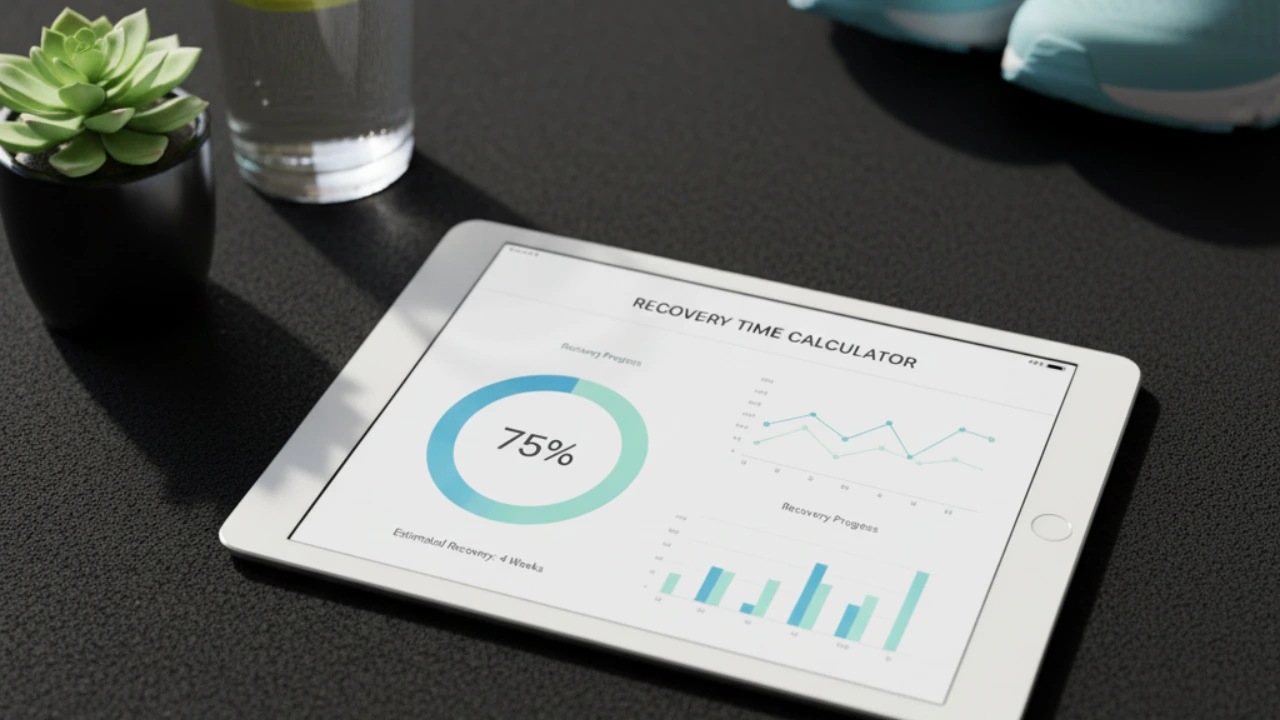
A Recovery Time Calculator is a tool or method that estimates how much rest your body needs after a workout before training hard again. Instead of following general advice like “rest for 48 hours,” it gives you a more personal answer.
It looks at things like:
- Training Volume & Intensity: How hard and how much you trained
- Muscle Groups Used: Big muscles like legs need more recovery than small muscles like arms
- Personal Factors: Age, sleep, diet, and stress
- Soreness & Effort Level: How tired and sore you feel
The result is a suggested recovery time—anywhere from 24 to 96+ hours—to help you decide whether to train hard, do light activity, or take a full rest day.
How to Use a Recovery Time Calculator (Step by Step)
Using this tool is part science and part listening to your body. Follow these steps after tough workouts.
Step 1: Enter Workout Details (Objective Info)
Start with the facts of your workout.
- Muscle Groups Trained: Be specific (for example: quads, hamstrings, glutes, lower back)
- Main Exercises & Intensity: Note heavy lifts, sets, reps, and weight
- Total Volume: How many hard sets you did for each muscle
- New Exercises: New movements cause more muscle damage and need more recovery

Step 2: Enter Personal Details (How You Feel)
This step makes the calculator personal. Be honest.
- Workout Difficulty (RPE): Rate the session from 1–10
- Muscle Soreness (DOMS): Rate soreness 24–48 hours later from 1–10
- Sleep: Did you get at least 7 hours of good sleep?
- Nutrition & Water: Are you eating enough calories and protein? Drinking enough water?
- Stress Level: High stress slows recovery
Step 3: Understand the Result
The calculator combines all this data and gives guidance.
Recovery Time Calculator
Example 1 (Light Workout):
- Easy upper-body workout (RPE 6)
- Good sleep, little soreness
- Result: 24–36 hours recovery. You can train lower body or do cardio tomorrow.
Example 2 (Very Hard Workout):
- Heavy squats and deadlifts (RPE 9.5)
- Poor sleep, high soreness (8/10)
- Result: 72+ hours recovery. Take full rest or only light movement for a few days.
Step 4: Use It With Your Training Schedule
This is where it really helps.
- Your weekly training plan tells you what to train each day
- The recovery calculator tells you if your body is ready
If your legs are still very sore on Push Day, you can:
- Train lighter than planned
- Swap workout days
- Do active recovery instead
- Take a full rest day
This flexibility keeps you safe and productive instead of forcing bad workouts.
Big Benefits of Tracking Recovery Time
1. Reduces Overtraining and Injuries
Tracking recovery helps you stop before fatigue turns into injury or burnout.
2. Improves Workout Quality
Training when you’re well recovered means more strength, better performance, and faster progress.
3. Builds Body Awareness
You start noticing patterns—like poor sleep leading to weak workouts or stress causing longer soreness.
4. Controls Ego With Data
Instead of pushing when you shouldn’t, the calculator gives clear reasons to rest.
5. Helps Design Better Programs
If certain muscles always need more recovery, you can adjust your workout split and volume smarter.
A Simple DIY Recovery Check (No Tool Needed)
Each morning, ask yourself these questions. If you answer “NO” to 3 or more, take a light or rest day.
- Did I sleep at least 7 hours?
- Is my soreness below 3/10?
- Do I feel energetic, not drained?
- Am I excited to train today?
- Is my resting heart rate close to normal?
Final Thought: Recovery Is a Skill
Recovery is not doing nothing—it’s an active skill. It means sleeping well, eating properly, drinking water, and managing stress. A Recovery Time Calculator simply helps you see this clearly.
Stop guessing when to train. Start calculating. When you combine smart workout planning with smart recovery decisions, you build strength faster, stay injury-free, and make progress that lasts.
FAQ
Can beginners rely on a Recovery Time Calculator?
Absolutely. Beginners often overtrain without realizing it. A recovery calculator helps build healthy habits early and prevents burnout.
Is a Recovery Time Calculator a replacement for a coach or doctor?
No. It’s a supportive tool, not a substitute for professional advice. If you have injuries, chronic fatigue, or health concerns, consult a qualified professional.
Can using a Recovery Time Calculator improve performance?
Yes. By avoiding under- or over-training, you can train more consistently, reduce injury risk, and make better gains over time. Smart recovery leads to better long-term progress.
Is a Recovery Time Calculator accurate?
It provides an estimate—not a medical diagnosis. While it’s a powerful guideline, you should also listen to your body. If you feel unusually sore, fatigued, or unmotivated, extra rest may be needed regardless of the calculator’s suggestion.


